

The Ultimate Guide to Regenerative Agriculture And Soil Health
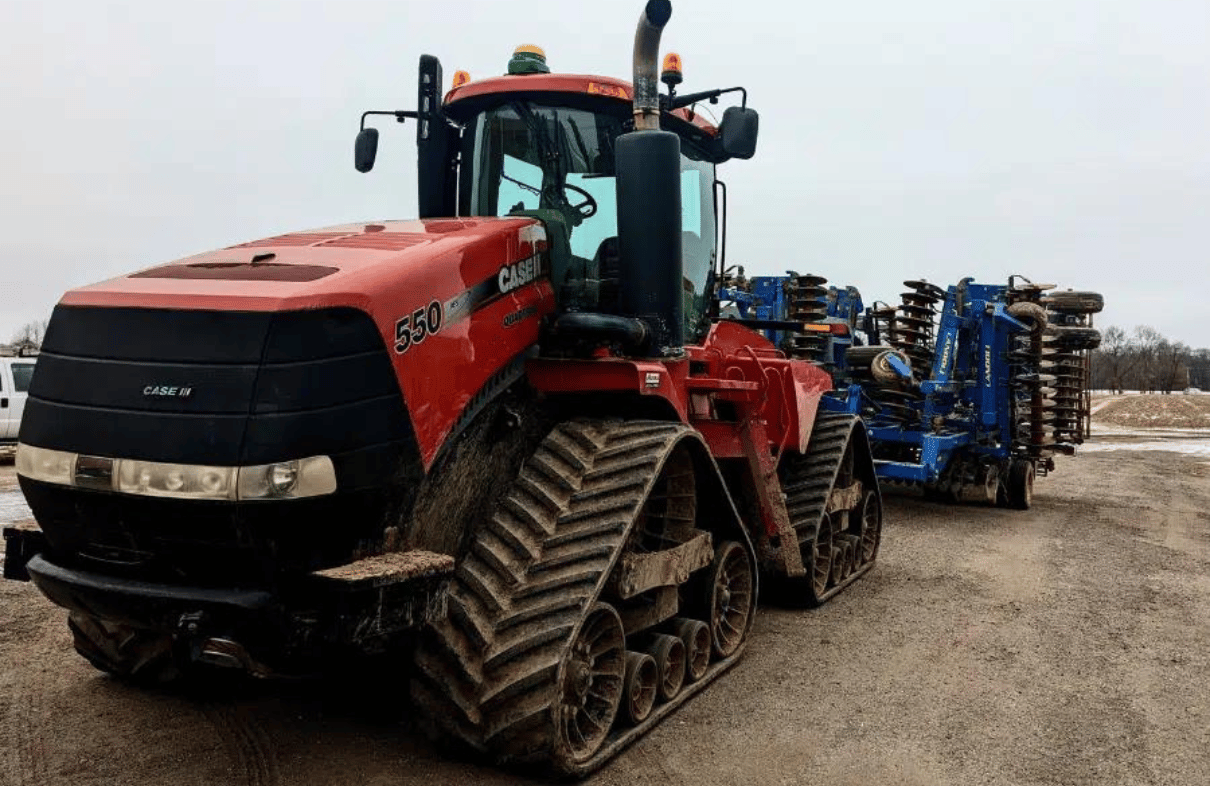
Regenerative farming is a holistic system of agriculture that embraces the principles of ecology. It can be seen as a new agricultural revolution or a revitalization of ancient practices that have been upgraded over time.
Sustainable agriculture has been practiced for centuries in local areas, but recent developments in equipment have made regenerative farming more accessible to larger operations too. The basics include cover-crop rotation, composting, carbon sequestration, and a focus on soil health.
At the highest level, regenerative agriculture focuses on the long-term health of the soil and the environment. We have seen an increase in awareness about the harmful effects of industrial agriculture — and regenerative farming offers an alternative by focusing on sustainability, biodiversity, and healthy soil. For there to be meaningful change in farming practices, people must take a pragmatic approach to adopt these tried-and-true methodologies.
Let's imagine soil as the skin of the earth. Now ask yourself — do we humans have a history of a good skincare routine with our planet? The answer is clearly "no." We have seen topsoil erosion and compromise over the last century that outpaces the destruction of our farmlands across all of human history. If we are going to reverse this trend, we need to integrate systemic changes in the farming methods we use today.
How Did We Get Here?
Modern large-scale agriculture (as we know it in America today) essentially started in 1862 when President Lincoln signed the Homestead Act. This allowed anyone to claim ownership of 160 acres of land in our heartland by proving they could sustain themselves for 3–5 years. Much of the land gifted by Lincoln was acquired during the Louisiana Purchase, but the original owners were Indigenous people. We will discuss how Indigenous people impacted regenerative agriculture later in this article.
In all, more than 160 million acres of public land — nearly 10 percent of the total farmable land of the United States — was given away free to 1.6 million homesteaders. For the first 50 years, the plan worked to perfection. However, in the 1930s, America suffered through one of the worst tragedies in its history — the Dust Bowl.
Over years, farmers across North America had been over-tilling their soil while planting the same crops season after season. As farming became more commercial, we turned to mechanized tilling and pesticides to increase output. The side effects were catastrophic.
Farmers were creating monocultures (the growth of only one type of crop in a given region) without any cover crops to protect the land. Wind erosion blew away the top layer of soil. They were unknowingly reducing the soil's resilience to pests, weeds, droughts, and other adversities. Combined with major droughts in 1934, 1936, 1939, and 1940, the perfect storm was unfolding. Politics and culture played a role too — wartime guarantees of $2 per bushel of wheat created a mass market for wheat that previously did not exist, supported by tilling vast prairie grasslands of Kansas, Oklahoma, Texas, and Nebraska.
Note: Cover crops are plants that are intended to cover the soil rather than for the purpose of being harvested. They help farmers manage soil erosion, soil fertility, soil quality, water, weeds, pests, and diseases. By not planting cover crops, most living organisms that keep soil healthy end up leaving because they have no food. Planting the same crop, harvesting, and tilling in constant cycles pulls the nutrients (and carbon) out of the soil and into the atmosphere. Carbon has gotten a bad reputation lately, but that's because there's too much in the atmosphere — and not enough in the ground.
What Were the Outcomes of The Dust Bowl?
America's farmland went through a desertification process. It's estimated that over 100 million acres of once-fertile land was essentially turned into dust. Most think of the Dust Bowl as a singular event, but storms continued for nearly a decade. Millions moved out of America's heartland because of widespread hunger and poverty.
In response, Franklin D. Roosevelt created the Soil Conservation Service (SCS) — today known as the Natural Resources Conservation Service (NRCS) — to revitalize the country's farmland. From this disaster came an organization that has helped support farmers, soil health, and agricultural supply chains for nearly a century. But the reality is, the Dust Bowl would have never happened if regenerative farming practices were used. Even today, it can be difficult to convince farmers to adopt them.
The Solution to the Problem in the 1940s — and How this Led to Today's Farming Practices
The desertification of the heartland in the 1930s led to chemical and genetic technologies in the 1940s and beyond. Most chemical and genetic solutions focused on introducing nutrients back into the soil. Much like drug side effects in humans, adding lost nutrients to plants created byproducts and reactions, which then created more byproducts and reactions. A vicious cycle began.
The most notable undesired effect was that weeds had a new environment to thrive in. Crops can be seen as plants that humans have tamed; weeds grow on their own, unassisted. The unassisted growth of weeds — supercharged with nutrients used as steroids for corn, wheat, or soy — became a real problem. So farmers turned to herbicides. New variants of weeds resistant to herbicides emerged in one or two generations. New, more powerful herbicides needed to be developed, and the cycle continued.
Pests prompted pesticides. Crop-dusting became common practice. Insects formed resistance, and the cycle repeated. As science showed effects of these chemicals on humans, farmers turned to genetic modification. Crops were given natural immunity to pesticides and herbicides. But monocultures bring genetic mutations — plants develop weaknesses just like humans can. The bandaid is more chemicals; the root problem persists.
Genetic modification — the insertion of a gene from one species into another — has been used to make corn and soybeans resistant to pesticides and herbicides. This horizontal gene transfer can lead to unexpected effects. Corn has been shown to produce allergens and can cause problems for people with gluten sensitivities.
Irrigation has smoothed over rough patches of low rainfall periods. On the flip side, overuse of water is leading us back to a potentially catastrophic event. We are taking more water from the aquifers than is being replenished by rainfall and snowmelt — from Kansas's underground aquifers to California's diverted rivers.
In the end, plant diversity, natural pesticides, and weed control all took a back seat to innovations in chemical technology. The soil across the world is depleted and abused by years of mistreatment.
What Do We Lose by Farming Traditionally?
We are destroying the soil that houses 25% of all biodiversity. Soil provides oxygen, produces food, and stores water. It also absorbs incoming carbon dioxide which helps keep the earth's temperature cool — the carbon sequestration that we like.
It has been estimated that one-third of the Earth's dryland surface is used for growing crops — currently 5 billion hectares of land farmed globally. The world's population is estimated to reach 9.7 billion by 2050, and demand for food continues to grow. Today, virtually all the world's agricultural land exists in a degraded condition. In Africa, an estimated 40 million people are trying to survive on formerly fertile land that has degraded to the point where it is essentially nonproductive.
Pesticides have directly impacted animal and human health. According to the EPA, organophosphates and carbamates affect the nervous system; some pesticides may be carcinogens; others may affect the hormone or endocrine system. Direct exposure to pesticides can be dangerous.
Our soil is the basis of our existence. It's the medium in which plants grow. It contains our food, and it provides us with clean water. It's time we pay attention to its condition and treat our soil with a little more kindness.
What is Regenerative Agriculture?
Regenerative agriculture is a sustainable agricultural practice that supports the natural life cycle of the land. It is an augmentation of traditional farming, has been shown to produce higher crop value, and is better for the soil and ultimately better for the farmer's bottom line. Over time, yields per acre will increase and there will be a drastic reduction in human input — irrigation, pesticides, herbicides, labor, equipment.
Regenerative agriculture practices are typically summarized into 5 main categories:
- Don't disturb the soil through no-tillage, or minimal-tillage practices.
- Keep the soil surface covered via the application of crops that restore soil health.
- Keep living roots in the soil, thereby building a thriving biological ecosystem.
- Grow a diverse range of crops that compost to create a rich microbial community.
- Bring grazing animals back to the land that stimulate plant growth and soil health.
NGO The Carbon Underground published this widely accepted definition in 2017:
"Regenerative Agriculture" describes farming and grazing practices that, among other benefits, reverse climate change by rebuilding soil organic matter and restoring degraded soil biodiversity — resulting in both carbon drawdown and improving the water cycle.
Specifically, Regenerative Agriculture is a holistic land management practice that leverages the power of photosynthesis in plants to close the carbon cycle, and build soil health, crop resilience, and nutrient density.
Is Regenerative Farming New?
No. The Indigenous people across America were masters of regenerative agricultural processes. For centuries before the arrival of Europeans, the Indigenous people of North America practiced a form of agriculture that sustained them for generations and defined their relationship with the land.
One of the agricultural systems the Iroquois practiced was called "The Three Sisters," and it involved growing corn, beans, and squash in close proximity. The corn stalks provided a natural trellis for the beans to grow on, which in turn helped the corn grow by adding nitrogen to the soil. The squash vines acted as a "living mulch" that maintained soil moisture levels and kept weeds at bay. The three sisters could easily have been four, five, or a dozen — the more biodiversity, the better.
Although Indigenous peoples comprise less than 5% of the world population, they protect 80% of the Earth's biodiversity. If we are truly concerned about achieving global sustainability and protecting the world's biodiversity, we ought to be working more with Indigenous peoples and communities.
A-dae Romero-Briones (Cochiti / Kiowa), Director of Programs at the First Nations Development Institute, explains:
"There are stark differences between agricultural systems in indigenous communities and agricultural systems in contemporary communities. The first being the idea of collective resources. In an indigenous community, there are some things that just cannot be commodified — land, water, air, animals, even the health of the people, all of which are considered collective resources."
She continues: "I think nature is our best teacher. But it's a fallacy to think that we can imitate a system that has been in existence for hundreds of thousands if not millions of years. We can probably shoot for mimicking nature, but the idea that we could actually achieve it is a fallacy. We can observe it knowing that we can probably aid in the health of it, but there is something greater out there that we must respect."
The Hohokam tribe in Arizona dug and maintained canals as an irrigation system to facilitate farming in arid climates. The Pueblo tribes used dams to prevent ruts and gullies and redirect water for agriculture. Today, farmers in those arid regions continue to use these irrigation practices to overcome drought cycles.
Changing of Times — What was Old is New Again
The Western agricultural model is unsustainable. Not recognizing the role of Indigenous people in regenerative agriculture is not accurately telling the story.
Despite all our efforts, the earth is still losing an estimated 137 species every day. Habitats are shrinking and species are dying out. Regenerative agriculture is one of the solutions that has been proven to help in carbon sequestration and soil remediation.
5 Ways our Ancestors Farmed in Harmony with the Land
They didn't disturb the soil
Soil supports a complex network of wormholes, fungal hyphae, and microscopic air pockets surrounded by aggregates of soil particles. Disturbing this by plowing or heavy doses of fertilizer or sprays sets the system back.
They kept the soil surface covered
The impact of raindrops, frosts, or burning rays from the sun can all harm the soil. A duvet of growing crops, or stubble residues, will protect it. Contrary to popular belief, the further away from the equator we get, the more carbon we can store in the soil — meaning vast amounts of land in the U.S. and Canada are ripe for regenerative practices.
They kept living roots in the soil
Living roots in the soil are vital for feeding the bacteria and fungi that provide food for the protozoa, arthropods, and higher creatures further up the chain. They keep mycorrhizal fungi alive — a free fertilizing and watering service for crops.
They grew a diverse range of crops
Monocultures do not happen in nature. Companion cropping (two crops grown at once and separated after harvest) and cover cropping (a crop grown not for harvest but to protect and feed the soil) provide value when, traditionally, the land would have been bare.
They grazed various animals on the land
Livestock feeding supercharges the soil in ways that synthetic chemicals cannot. During grazing, animals tear grasses and crops from their roots — this "tearing" damages the plant in a way that causes it to seek out more carbon dioxide from the atmosphere to help heal itself.
Why Are Regenerative Farming Practices Not Widely Adopted?
Many farmers across America are used to planting corn, wheat, or soy in their crop rotation. They are working land that has been in their family for generations and using practices they are comfortable with. Tilling makes planting easier. Pesticides, herbicides, and insecticides kill what farmers don't want near their crops. Subsidies and regulations make it tough to buck the trend when there is a buyer for these crops.
The Federal Crop Insurance program, instituted in 1938, was intended to minimize risk but has become a monster that now dictates most cropping decisions. It's estimated that over 95 percent of planting decisions are based on how much money farmers can guarantee themselves through crop insurance.
One large obstacle is fear — letting go of the safety net of familiarity. We are now two generations removed from a production model that did not rely on synthetics. Most farmers do not have the experience and knowledge to farm otherwise. A second obstacle is lack of financing options for farmers who move to a different production model. Most lending institutions are not familiar with regenerative agriculture and are hesitant to make loans to diverse operations.
Today's advanced soil testing — the Haney Soil Test, named after USDA scientist Rick Haney — measures macro and micro-nutrients, microbial nutrient pools, and the carbon and nitrogen content of soil. With regenerative methods, we should see improvement in the soil's nutrients and overall health.
Gabe Brown, an American Regenerative Success Story
Gabe Brown runs a ranch near Bismarck, ND. He and his wife Shelly bought the property from her parents in the early 1990s and took over a "traditional" farming and ranching operation. The years of conventional agriculture had taken quite a toll. Through trial, error, and many hardships, Gabe realized the best way to bring the farm back was to bring the soil back.
Gabe is a pioneer of the soil health movement and has been named one of the 25 most influential agricultural leaders in the United States. The Browns integrate grazing, no-till cropping systems, cash crops, multi-species cover crops, all-natural grass-fed beef, and other livestock. The family has received a Growing Green Award from the Natural Resources Defense Council, an Environmental Stewardship Award from the National Cattlemen's Beef Association, and the USA Zero-Till Farmer of the Year Award.
Gabe met Ray Archuleta, a soil conservationist with 30+ years of experience, who teaches Biomimicry Strategies and Agroecology principles. Ray's studies in soil health proved vital for Gabe's future practices.
The first step was to cease all tilling. Then plant a cover crop — green plants don't just protect the soil, they are biological primers. They capture solar energy and transfer it to the microbes in the soil through photosynthesis, fueling the fusion of life. Without cover crops, you're going to "spill the sun" as Ray says.
The next step was to stop the overuse of pesticides, herbicides, and other biocides. For every pest species, there are between 400 and 1,700 species of beneficial insects. Without beneficial insects, food webs and ecosystems will eventually collapse. Gabe also reduced or eliminated the artificial nutrients he was adding — only about 40% of synthetic nutrients applied in a year were actually taken up by the plants. Above every acre, there are approximately 32,000 tons of atmospheric nitrogen — why purchase synthetic fertilizer when you can harvest your own from the air using cover crops?
More Seeds of Hope — How Regenerative Agriculture Can Save The Planet
Regenerative practices are popping up across the country.
UC Davis' Russell Ranch
For years, UC Davis has been the top-rated agriculture school in California, offering 39 majors in agriculture and food science. Their flagship program is the Century Experiment, started in 1993 to understand the long-term impacts of agricultural management. On 72 one-acre plots, they measure crop yield, soil quality and biodiversity, profitability, water and energy use, and other environmental impacts. The Century Experiment will conclude in 2093 — but interim findings show that many of the ways our ancestors farmed are key to returning soil to its once vibrant and productive state.
Chico State University's Center for Regenerative Agriculture & Resilient Systems (CRARS)
CRARS is a non-profit that works with food and farming systems. Their goals include developing trans-disciplinary teams that include farmers as research partners, creating collaborative networks for applied research, transforming agricultural and urban landscapes through regenerative practices, and developing strategies for multi-scale food security.
Indigo Agriculture's Terraton Initiative
In Summer 2019, Indigo Agriculture launched the Terraton Initiative. Their goal is to garner interest and investment from individuals and corporations to back farmers in adopting regenerative practices. The leaders claim some lofty goals — "this shift in the way farming happens around the world has the potential to remove one trillion tons of carbon from the atmosphere — and ground it in the soil. In effect, this initiative can help reverse climate change."
What are the Economic Benefits of Regenerative Farming?
If we look back at Brown Ranch, one of Gabe's resolutions was to stop thinking about yields and start thinking about profitability. Today's farmers only see about 14 cents of every dollar they earn from the food they produce. Anyone taking home 14% of the value of what they produce has a problem on their hands. As Gabe says, "I'd rather be signing the back of my checks than the front."
Regenerative farming has fewer input costs — pesticides, water, added nutrients — which means fewer passes over the field. Yields may be the same or even lower, but profit per acre is much higher.
Returning carbon to the soil increases organic matter — by factors of several hundred in many cases. Gabe's ranch went from less than 1% organic matter to over 6% in just a few years. For every one percent gained, he can store between 17,000 and 25,000 gallons of water per acre. Now, rainfall gets stored in his soil and does not run off — taking the valuable topsoil with it.
The international initiative "4 per 1000," launched at COP21 in 2015, federates voluntary stakeholders under the Lima-Paris Action Plan. The initiative invites partners to implement practical actions to amplify soil carbon storage — agroecology, agroforestry, conservation agriculture, landscape management. Recently, some European companies have placed prices on carbon as high as 116 Euros per metric ton — translating to hundreds of Euros of additional revenue per acre for farmers committed to sustainable practices.
Top 5 Reasons Regenerative Farming is More Profitable
- It reduces the need for fertilizers and pesticides which are harmful to plants and animals.
- It improves water quality by reducing runoff of contaminants — meaning a reduced need for irrigation.
- It reduces greenhouse-gas emissions by sequestering carbon in the soil. Carbon credits can be quantified and monetized.
- It rebuilds ecosystems by providing habitat for pollinators, birds, fish, and wildlife — while reducing fuel consumption from less mechanization.
- The practices increase crop yields, reduce costs, and ultimately increase profitability.
What Can We Do to Increase Regenerative Farming?
It's not just a matter of healthier food, better yields, and more efficient use of farm/ranch lands. It really comes down to a matter of survival for us and our descendants. In order to increase regenerative farming, we all need to get involved.
Individually, we can seek out organic goods at our markets — or, even better, shop at local farmers' markets where more natural products are sold. We need to increase the number of organic farmers by providing more training and education.
There are some commonalities learned from the soil pioneers practicing today:
- High-tech farming equipment — GPS-guided tractors, soil sensors, laser-leveling devices, self-steering systems — can reduce soil erosion and improve soil quality.
- Allow time for the soil to regenerate. Reform commercial agricultural practices so they are more sustainable for future generations.
- Plant cover crops. This is one of the most important things you can do to save the soil.
- Reclaim topsoil by adding compost or mulch which helps with both carbon sequestration and water retention.
Beyond what individuals can do, there is a need for major change in policy. We need far more subsidies for farmers to switch from traditional methods to regenerative agriculture. New grants and assistance programs need to be structured around regenerative and sustainable practices to help our farmers jump-start these initiatives.
The world's population is expected to reach 8.6 billion by 2030. To feed them, we will need a 70% increase in agricultural production over what we are producing worldwide today — an enormous task that simply won't be possible by expanding what we are currently doing.
A total shift is needed. As Don Campbell says: "If you want to make small changes, change how you do things. If you want to make major changes, change how you SEE things."
We can create healthier soil, nutrient-dense foods, cleaner air, and cleaner water. It's not just a sustainable way of farming, it's a sustainable way of living that can help solve many of the world's most pressing problems.
— The Carbon Farming Trust