

Sustainability Without Compromise
Our Regenerative Future Together
Below are a few frequently asked questions our team receives from the agriculture, chemical, manufacturing, and sustainability industries.
Where is your hemp grown?
Today, our hemp fiber is grown in Michigan and 6 other states. We also purchase bales of hemp off the spot market through a reliable QA / QC process.
How can I get sample materials?
Fill out the contact form on the Contact page to connect with one of our team members. From there, we can determine if sample materials are appropriate.
What raw materials can our additives be used in?
Companies have used Heartland's materials as additives in plastic, rubber, foam, asphalt, concrete, paper, and ceramic. Every day we get new ideas and projects in our inbox. Reach out to see if your application is a fit.
How do you work with brands?
We work with brands and their suppliers to embed natural fibers into their supply chain to reduce cost, weight, and carbon footprint without any retooling costs.
What is the USDA Grant for?
Heartland's first USDA grant is a 3-year program called 'Hemp4Soil' that aims to study industrial hemp, regenerative agriculture, and carbon sequestration.
Do you have a lifecycle assessment?
We are completing an LCA with Presidio, one of the top sustainability graduate programs in the world. This LCA, alongside soil-carbon data, will quantify how carbon-negative our materials are.
Are you building an industrial-hemp supply chain near me?
Heartland is partnering with global brands and suppliers to support local farming and local manufacturing. We are open to strategic partnerships when and where it makes sense.
Are you currently working with any other natural fibers?
Today, our go-to high-performance natural fiber is industrial hemp. As time and locations expand, we will integrate other materials into our products.
Can I farm for the program?
Potentially. Reach out via the For Farmers page so a member of our team can connect with you.
How does USDA Biopreferred certification impact partners?
The USDA biopreferred program is for government-mandated purchasing. Since our materials are certified, our customers can apply for biopreferred contracts (provided our materials make up more than 22.5% of the compound).
What is Industry 5.0?
The 5th industrial revolution is about embedding sustainability throughout the value chain.
What does 'sustainability without compromise' mean?
Typically, with bio-based materials, there is a sacrifice that brands and suppliers make. Sustainability without compromise is about maintaining performance properties without sacrificing strength, weight, or price.
What is Sustainable Material Innovation?
Sustainable Material Innovation (SMI) focuses on the development of lower-carbon-footprint materials, component parts, and end products.
Are the hemp additives compostable?
By themselves, hemp fibers are compostable and biodegradable. The compostability of plastic, however, will always depend on the resin — not on the additive.
Are the hemp additives recyclable?
Our additives can be picked up by infrared sensors currently being used in Material Recovery Facilities (MRFs) and other recycling facilities.
Do you sell carbon credits?
Not yet. Our USDA program is creating unprecedented insights specifically for agriculture-focused carbon data. These data points will be used to create America's leading agriculture carbon-credit market. Reach out to our team if you are interested in carbon credits.
Recent News
All news →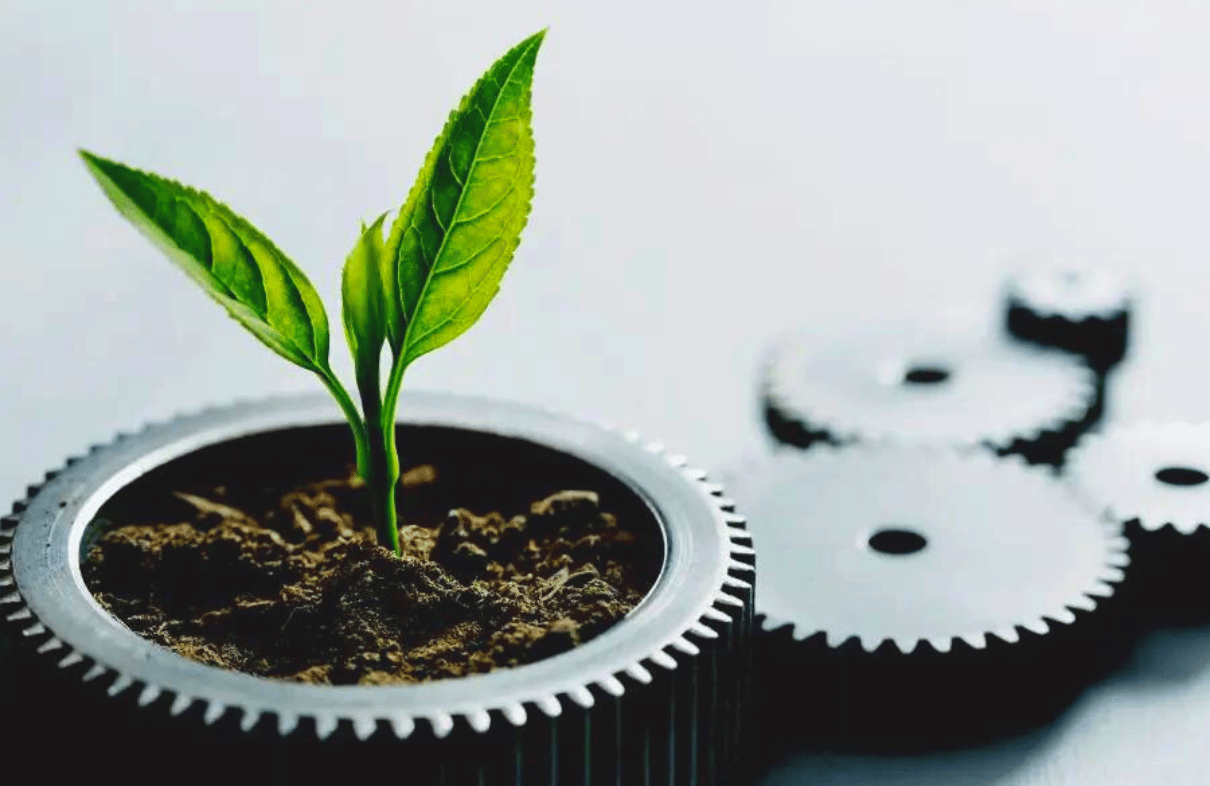
Developing Carbon Credit Markets for Traditional Row Crops
Carbon credits are tradable permits to emit one tonne of CO2 — and US row-crop agriculture qualifies. How regenerative practices and bio-based materials open a new revenue stream for farmers.
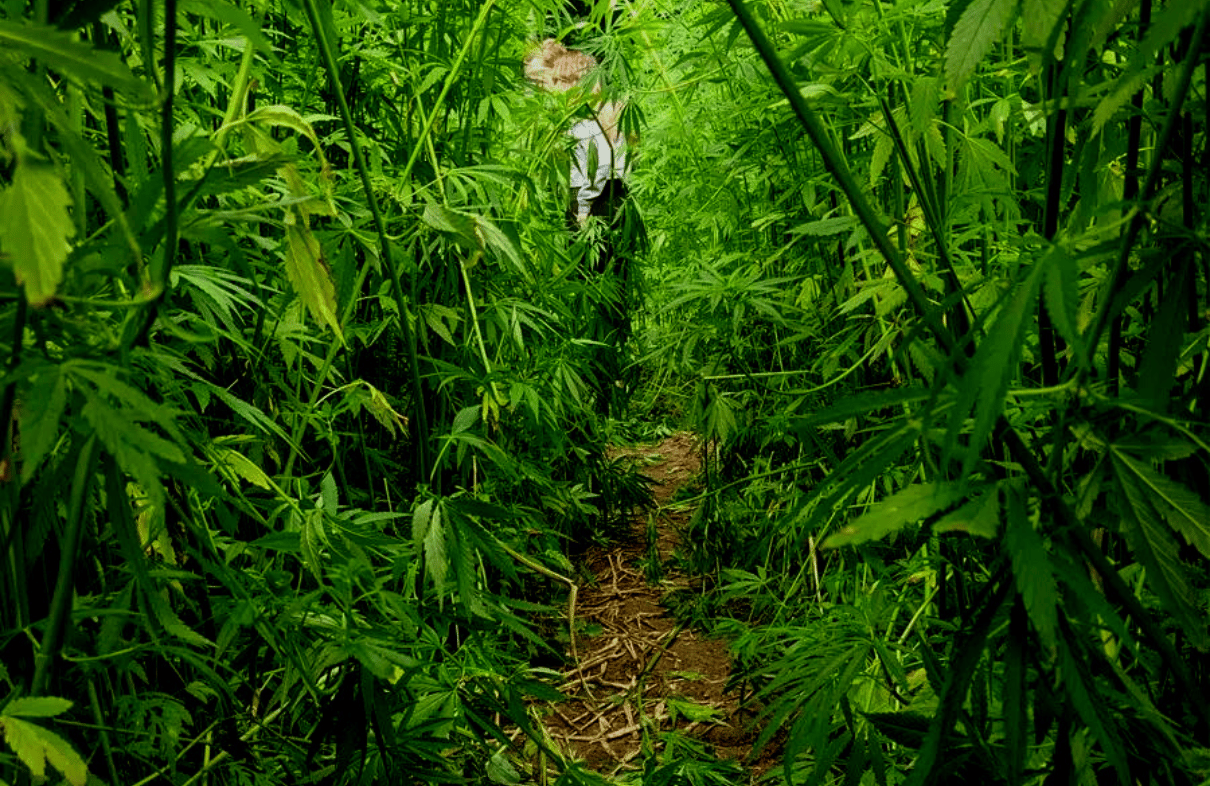
Industry 5.0 – Why Sustainability Will Be The Next Revolution
Industry 5.0 is not more AI or IoT — it is the sustainability revolution. SEC climate disclosure, Scope 1/2/3 reporting, and consumer pressure are reshaping every business in the value chain.
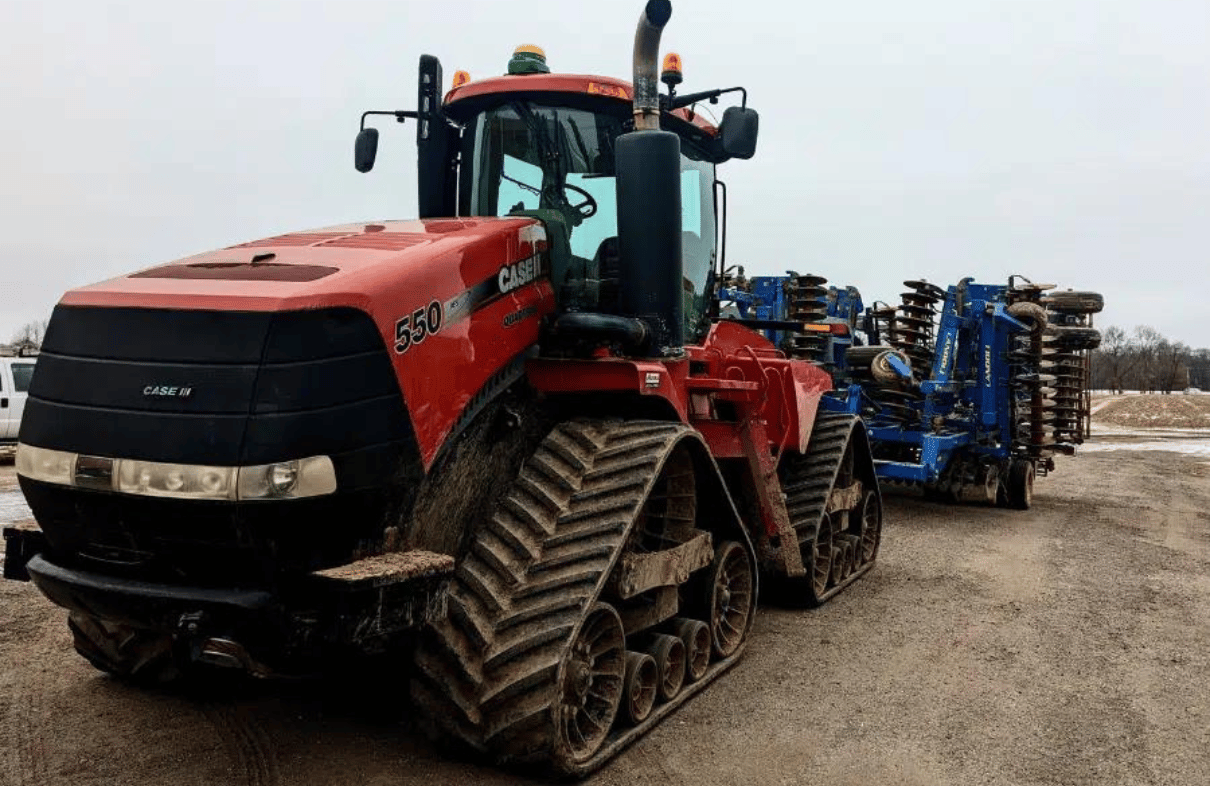
The Ultimate Guide to Regenerative Agriculture And Soil Health
From the Dust Bowl to chemical agriculture to the modern movement — how regenerative farming rebuilds soil, sequesters carbon, and increases farmer profitability without industrial inputs.
Meet Your
Carbon Farming Partner
Connect with our team. (313) 649-7848 · Hello@carbonfarmingtrust.com
Get In Touch